
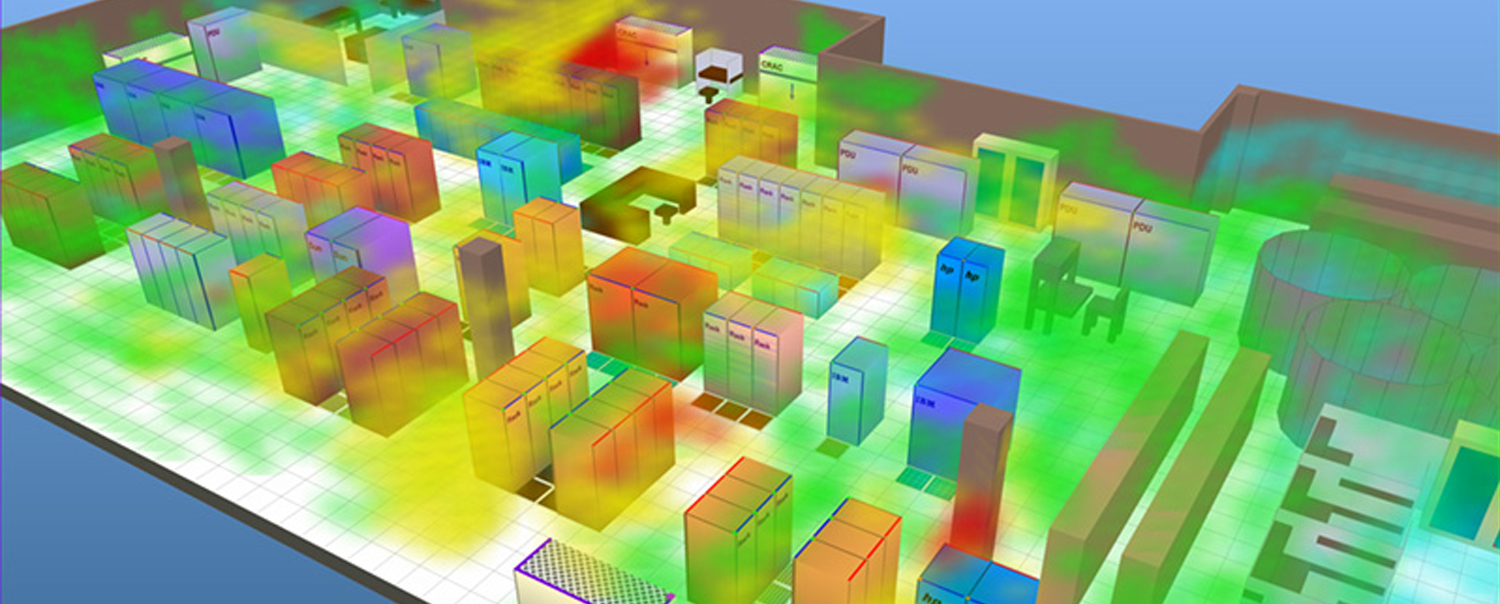
Data centers make it possible to manage critical IT resources in a controlled environment. Continuity and resource management are of great importance in today’s business world, and data centers that can meet these requirements are an indispensable need.
Key areas for the stable operation of your existing data center
- Power requirements: The power needs of data centers keep increasing. Minimising this need should be the primary goal, both to reduce costs and to take environmental responsibility into account.
- Cooling: The ANSI/TIA/EIA-942 standard should be taken into account when installing systems. They must always be installed redundantly so that a problem in one system does not put the entire data center at temperature risk.
- Floor structure: If cabling runs under the floor, the floor must be engineered with a height of at least 50 cm to allow airflow and accommodate cable trays. Raised floors should consist of calcium sulphate panels strong enough to carry at least 1000 kg.
- Cabling and management: Cabling should be designed to allow later changes and rearrangements and revised with the most suitable cabling method (under-floor, over-cabinet, etc.).
- Security: Data center entries and exits must be strictly authorised, and solutions developed for this purpose (palm, fingerprint, vein recognition, etc.) should be considered.
- Monitoring: Environmental conditions such as smoke, heat and humidity must generate alarms through sensors, and these alarm systems must be actively monitored.
Components of an ideal data center
- Uninterrupted operation (24/7)
- Zero errors and effective monitoring
- Network, system and physical security – authorisation criteria
- Redundant network connections over different channels
- Energy and power management
- Control of environmental conditions
- Fire detection and alarm systems and fire suppression systems